
English| EUR
Suggested for you
More currencies
Choose a language
Montenegro sits 45 kilometers south of Dubrovnik, making a single-day visit feasible for visitors willing to navigate an international border. The reality involves careful timing, two customs queues, and enough flexibility to absorb delays without losing your itinerary.
Quick answer
Yes, you can do a day trip from Dubrovnik to Montenegro—the drive to Kotor takes approximately 2 to 3 hours each way, depending on border wait times at Debeli Brijeg crossing. Entry is free, but you'll need a valid passport and should budget 30 minutes to 2 hours for the border formalities. Departing between 06:00 and 08:00 minimizes queues and gives you 5 to 6 hours in Montenegro before the return crossing.
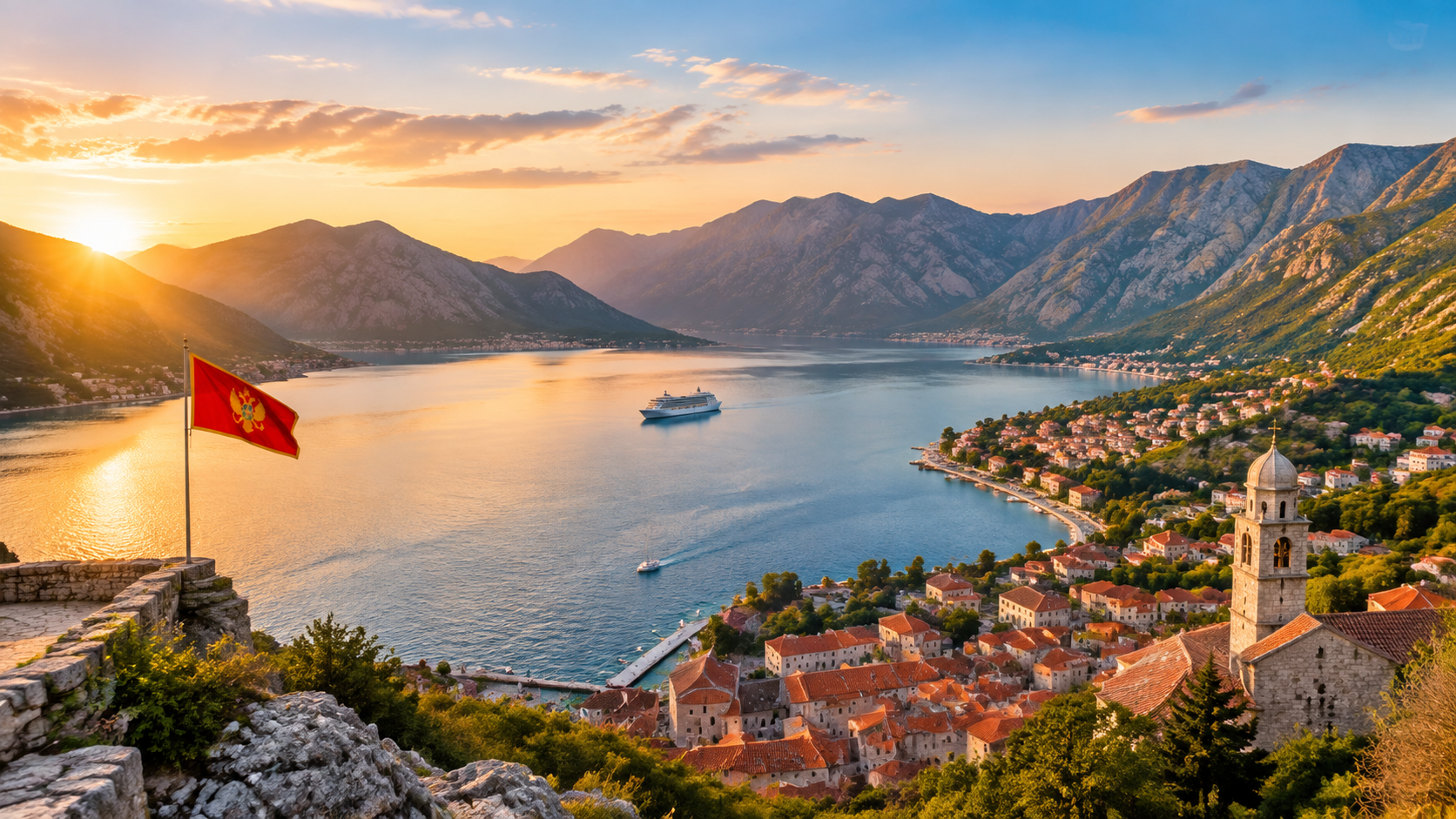
The Adriatic Highway stitches Dubrovnik to the Montenegrin coast in under 50 kilometers, but that proximity is deceated by the Debeli Brijeg border crossing—a bottleneck that can stretch a 90-minute drive into a half-day ordeal during peak season. Summer months see tour buses, rental cars, and cruise passengers converging on the same two-lane checkpoint, turning what looks like a quick hop on a map into a test of patience and planning. A day trip from Dubrovnik to Montenegro is logistically possible, but only if you treat the border as the central variable. The Croatian exit and Montenegrin entry queues operate independently, and processing speeds fluctuate with staffing levels and random vehicle inspections. Early departures—before 08:00—encounter shorter lines and cooler temperatures, both of which matter when you're idling in a queue with no shade. Late-morning crossings risk coinciding with organized tour groups, which can add an hour to each direction. Once across, the Bay of Kotor opens within 15 minutes: Herceg Novi clings to the hillside, Perast spreads along the water, and Kotor's Old Town sits beneath Lovćen's limestone wall. Most visitors anchor their itinerary in Kotor, allowing 3 to 4 hours for the fortifications, cathedral square, and a meal before the return leg. The drive back to Dubrovnik repeats the border procedure in reverse, and afternoon crossings into Croatia tend to move faster than the morning exodus—though that advantage disappears on Fridays and Sundays when weekend traffic surges. The trip is not effortless. It demands an early start, tolerance for bureaucratic pace, and acceptance that a third of your day will be spent in transit or queues. But for travelers who want to see the fjord-like topography of the Bay of Kotor without relocating their base, a Dubrovnik to Montenegro day excursion delivers access to a different country, currency, and coastline within a single departure and return.
“The Adriatic Highway stitches Dubrovnik to the Montenegrin coast in under 50 kilometers, but that proximity is defeated by the border crossing—a bottleneck that can stretch a 90-minute drive into a half-day ordeal during peak season.”
The best arrival window for a day trip to Montenegro is 06:00–08:00 to avoid heavy traffic and long wait times at the border crossing. Prioritizing this early start ensures you maximize your time in the region regardless of the season.
Mild temperatures, 18°C–22°C
Fewer crowds and comfortable conditions for sightseeing.
Hot temperatures, 28°C–32°C
Expect peak tourist numbers and significant border delays.
—
Visiting Tuesday through Thursday offers the most consistent border crossing experience.
Warm temperatures, 20°C–25°C
Ideal conditions for travel with manageable crowds at regional sites.
Verdict: The concrete best slot for a day trip is Tuesday to Thursday, with an arrival window of 06:00–08:00 during the months of April or October.
This sample schedule works for independent travelers and organized tours, covering approximately 12 hours door-to-door with 6–7 hours of actual exploration time in Montenegro.
Leave early to reach the border crossing during the optimal 06:00–08:00 window, minimizing queue time. Budget 45–60 minutes for the drive to Karasovići-Debeli Brijeg.
Allow 30–90 minutes depending on traffic and season; weekends and July–August see the longest waits. Keep passports ready for both Croatian exit and Montenegrin entry stamps.
Reach Kotor Old Town after a 30-minute drive from the border. Spend 2–3 hours walking the fortified walls, visiting St. Tryphon Cathedral, and exploring the narrow limestone streets.
Drive 15 minutes north to Perast for lunch and a boat ride to Our Lady of the Rocks island (20 minutes round-trip). This leg adds 1.5–2 hours to your itinerary.
Start the drive back to allow buffer time for afternoon border queues, which can stretch to 60 minutes in peak season.
Complete Montenegrin exit and Croatian re-entry formalities. The return crossing typically moves faster than the morning.
Return to your starting point with time for an evening meal, having covered roughly 200 km round-trip.
Entry into Montenegro is free of charge for travelers. There are no official entrance fees levied by the country for border crossings.
Cross into Montenegro smoothly by preparing these essentials before your day trip.
Everything you need to know about can you do a day trip from dubrovnik to montenegro
Yes, many travelers successfully plan this journey as a day trip from the Croatian coast. Crossing the border is straightforward if you have the correct travel documentation ready for inspection.
Yes, sea-based routes are a popular alternative to road travel for visiting Montenegro. These tours often navigate the Bay of Kotor, providing a unique vantage point of local landmarks.
Travel time varies significantly based on your chosen transport and border wait times. While the physical distance is short, you should account for customs procedures at the Karasovići-Debeli Brijeg crossing.
Yes, crossing into Montenegro requires a valid passport for all international visitors. You must carry your identification at all times as you transition between these countries.
Yes, families frequently enjoy the scenic landscapes and historic architecture during a trip. It is wise to prepare for a full day of travel, as border stops can be time-consuming for young children.
Heavy traffic is common, especially during peak season, which can delay your itinerary. Following the recommended arrival window helps mitigate these risks, but patience is required during peak transit hours.